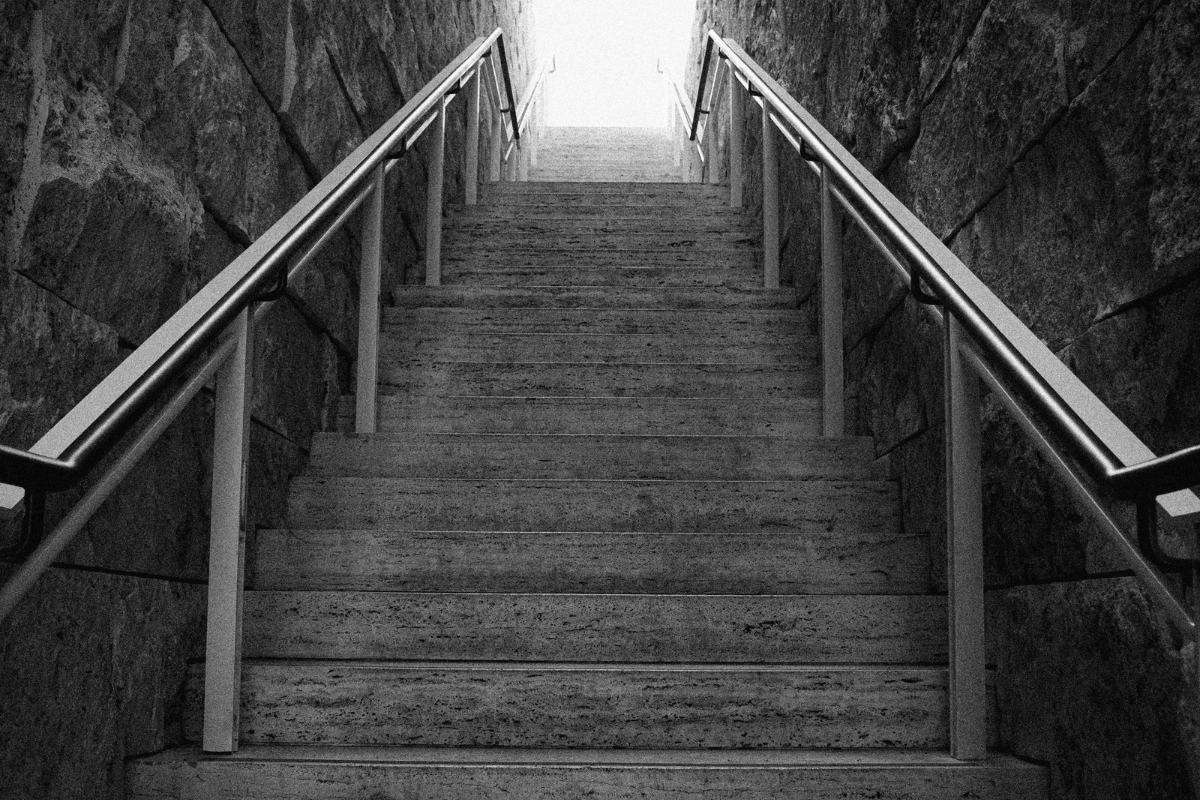

“It isn’t peaceful, at first. It’s disorienting. And then, slowly, something else.”
When the world expects speed, slowing down can feel almost revolutionary.
There are periods in the in-between when the pressure to move faster feels relentless. Advice comes from every direction — update your CV, try something new, fill every hour, don’t stay idle. The instinct is to follow it all, to convince yourself that movement equals progress.
But after weeks of this, a subtle tension begins to emerge. The constant motion isn’t bringing clarity. It’s only creating noise.
There’s a quiet realisation that the pace can be adjusted. That slowing down doesn’t mean giving up — it simply allows space to notice what truly matters.
Moments that used to feel ordinary begin to feel intentional. Sitting with a notebook. Walking without a destination. Taking time to reflect without an agenda. Decisions that once seemed overwhelming appear lighter. Paths that seemed blocked begin to shift — not because anything external has changed, but because perspective has.
At first the pause feels uncomfortable. Old definitions of productivity whisper that you are falling behind. But the discomfort softens as the realisation settles: slowing down is not a failure. It is a form of listening — an act of attention to yourself and the choices ahead.
Lessons from the In-Between
Stillness is intentional, not indulgent.
Slowing down creates space for the clarity that constant motion tends to obscure.
Clarity grows in quiet reflection.
Pausing allows you to notice patterns, preferences, and possibilities that remain invisible under pressure.
Intentional action outweighs constant motion.
Moving slowly and deliberately produces decisions that feel aligned rather than forced.
Self-awareness is cultivated in the pause.
Each deliberate moment of stillness is an opportunity to question old beliefs and notice which definitions of success still serve you.
Reflection
Transitions, waiting periods, and pauses can feel like empty spaces — and the pressure to fill them is intense because the world outside rarely slows down. But these in-between moments carry a quiet curriculum of their own: patience, observation, self-trust.
Slowing down doesn’t postpone progress. It changes how you engage with it. Decisions made in stillness often feel truer and more sustainable. What once felt like a lull quietly becomes a foundation for something more intentional.
Every phase of pause teaches something different — noticing patterns, unlearning old definitions, building resilience, or simply learning to appreciate presence. Over time these lessons accumulate, shaping perspective and identity far more than constant activity ever could.
The in-between is not wasted time.
Sometimes slowing down is the moment we finally begin to see clearly where we are going.
Gentle Prompt
Where in your life have you been moving too fast? If you allowed yourself to slow down — just for today — what might you notice that the pace has been hiding?
Continue the Journey : What Success Looks Like When Nothing Is Happening